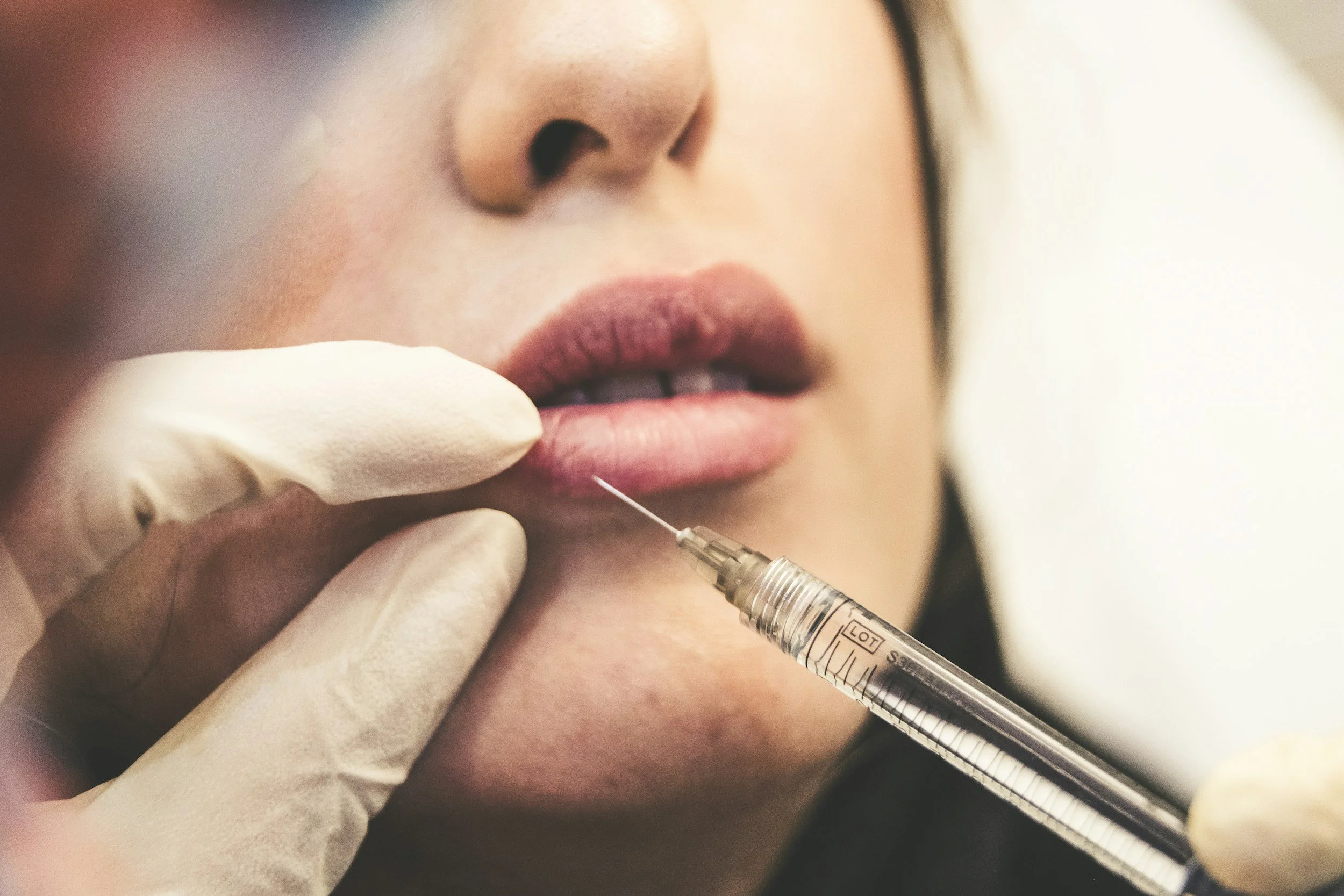
Alot of my breastfeeding clients eventually wonder whether it is safe to receive cosmetic treatments like Botox while nursing, especially living in LA. Botox injections are extremely common, and many new parents consider them after pregnancy. Naturally, this raises an important question: Can Botox affect breast milk or a breastfeeding baby?
Many parents are surprised to learn that lactation support is often covered by insurance. If you are experiencing breastfeeding challenges or simply want reassurance in the early weeks, working with a lactation consultant can be incredibly helpful — and save you time and money in the long run before things get too challenging.
While many parents focus on how long a baby spends at the breast, long feeding sessions don’t always mean a baby is transferring a lot of milk. Some babies may remain latched for long periods while taking very small amounts of milk, especially if they become sleepy or begin gently nibbling rather than actively feeding.
The early weeks of breastfeeding can come with a learning curve for both parents and babies. While feeding is a natural process, it’s completely normal to have questions or encounter challenges along the way. Many families seek breastfeeding support from a lactation consultant
It can be surprising when a newborn wants to feed constantly. If your baby seems to nurse every hour, you may wonder if they are still hungry, if your milk supply is low, or if something isn’t going well with breastfeeding. In many cases, frequent feeding is actually a normal and important pattern called cluster feeding, which helps babies grow and helps your body build milk supply.
Some mild tenderness can occur during the first few days after birth as your body adjusts to feeding. However, breastfeeding should not continue to feel painful. If pain persists, it usually means something about the latch, positioning, or feeding pattern needs support.
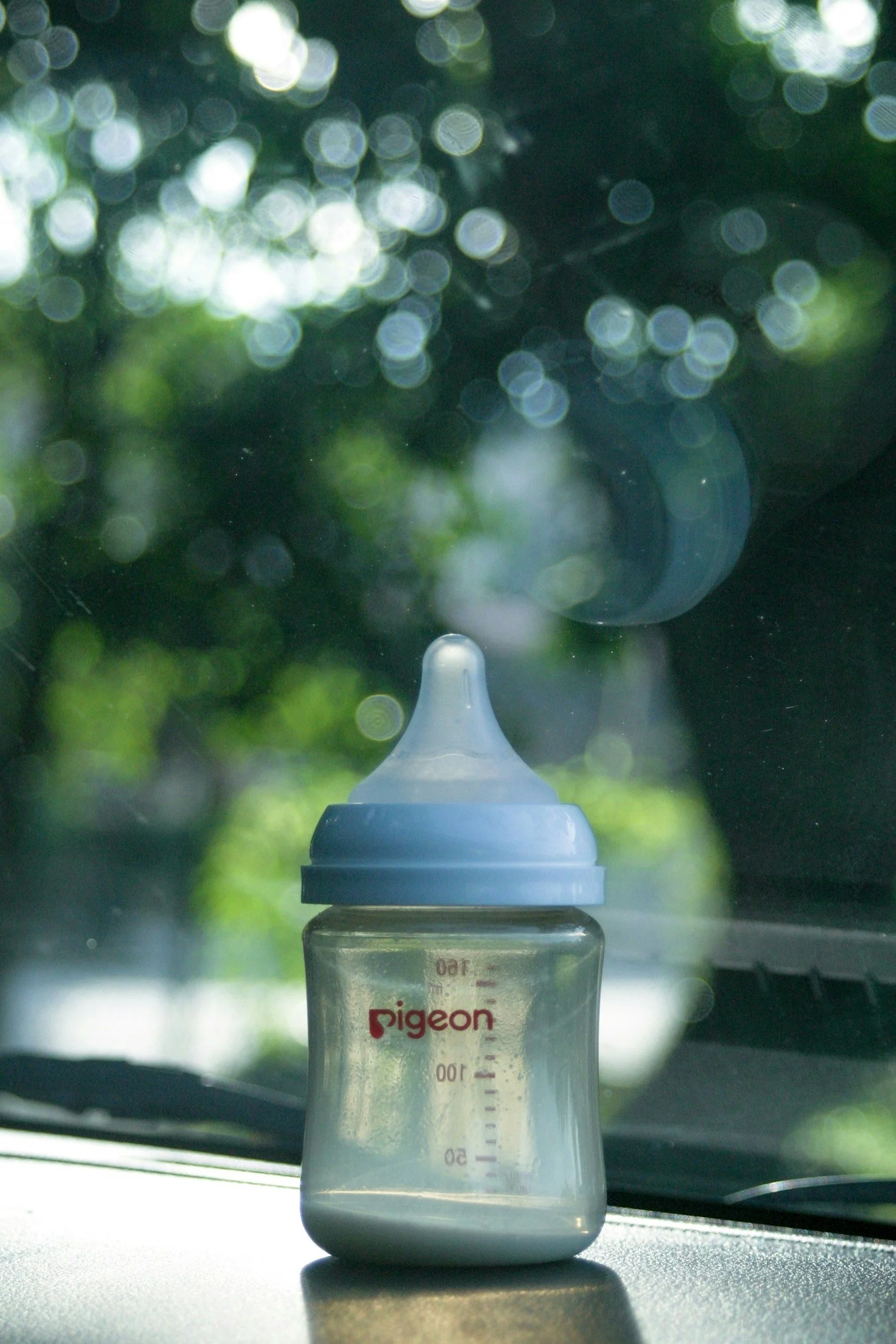
One of the most common questions new parents ask is: “How do I know if my baby is getting enough milk?” Unlike bottle feeding, breastfeeding doesn’t come with visible ounce measurements. This can make it hard to feel confident that your baby is getting the nutrition they need.
I recently participated in an interview with Blood + Milk on the topic of pumping and returning to work and wanted to share some helpful information with all of you who are returning to work and trying to navigate pumping and continuing to protect breastfeeding at home.
I often hear parents say things such as “The baby falls asleep at the breast after 5 minutes” and “Our baby is so sleepy when they nurse they won’t take the 2nd side” also “My baby feeds for hours but is still hungry 10 minutes later.” It is common for babies to fall asleep at the breast while nibbling.
One of the main worries I encounter when working with families is concern over low milk supply. Luckily, there are some great options to increase milk supply if you experience a dip. However, I want to talk about what may have caused the drop in your milk supply in the first place, and then offer solutions to help resolve (or avoid) these challenges before they occur.